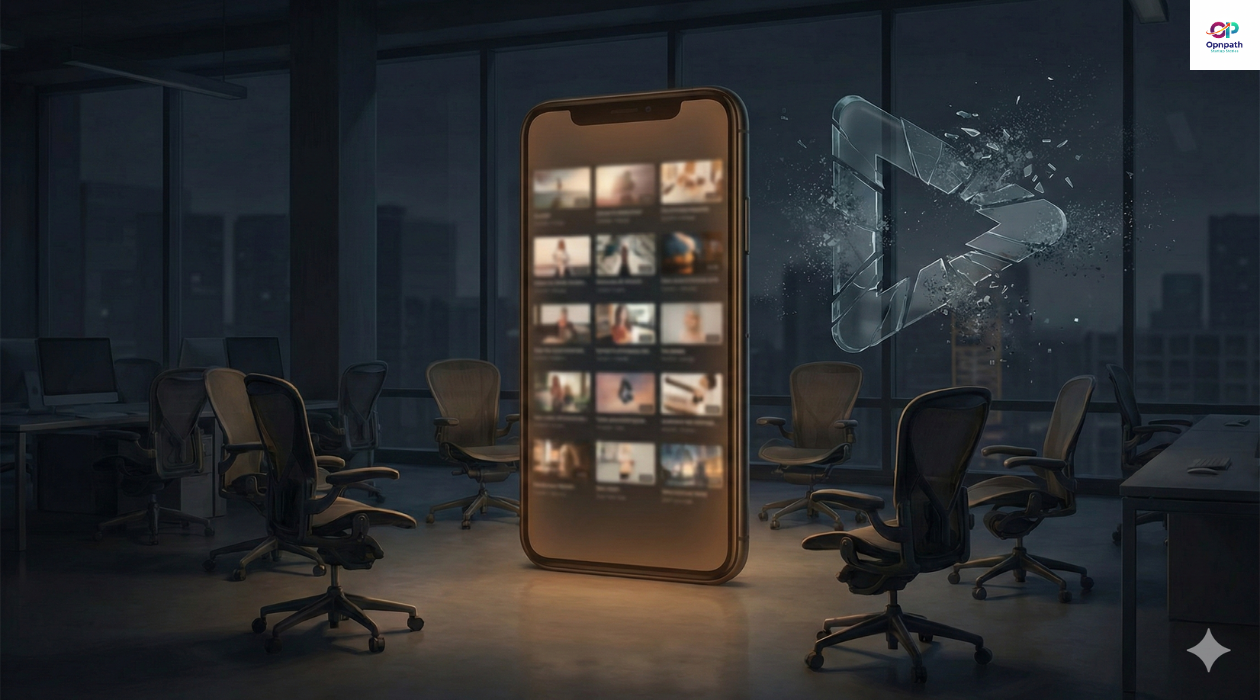
Quibi is one of the most expensive reminders in startup history that product quality alone does not guarantee success.
Quibi didn’t fail because of a bad product.
It failed because no one built habits around it.
Founded by industry veterans and backed with $1.7 billion, Quibi promised premium short-form video for mobile users.
The product was polished.
The content was high quality.
The team was world-class.
Yet Quibi shut down in just 6 months.
Launched in 2020, Quibi (short for “quick bites”) aimed to redefine mobile entertainment. The idea was simple and compelling: premium, Hollywood-quality shows designed specifically for smartphones, each episode lasting 5–10 minutes.
The founders were not amateurs.
- Jeffrey Katzenberg, former head of Disney and DreamWorks
- Meg Whitman, former CEO of eBay and HP
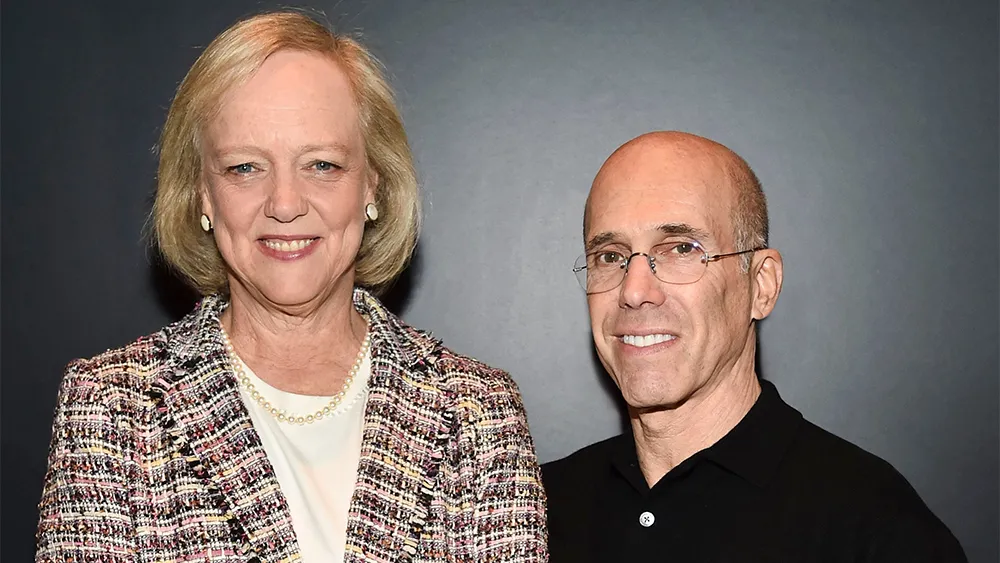
Investors believed strongly in the vision, committing $1.7 billion before the platform even launched.
On paper, Quibi had everything.
The Product Wasn’t the Problem
Quibi’s content quality was genuinely high:
- Big-budget productions
- Famous actors and directors
- A unique “Turnstyle” feature that let users switch seamlessly between portrait and landscape viewing
From a pure product and engineering perspective, Quibi delivered what it promised.
Yet within six months, the company announced it was shutting down.
Where Things Went Wrong
The failure wasn’t about talent or technology — it was about distribution and behavior.
1. No social sharing
At launch, Quibi didn’t allow users to easily share clips on social media. In an era where discovery is driven by Twitter, Instagram, and TikTok, this was a critical mistake.
2. App-first thinking
Quibi assumed users would download and repeatedly open a new app. But users were already spending their time on YouTube, Netflix, and social platforms.
3. Misreading user context
Quibi was built for “on-the-go” viewing. But it launched during the COVID lockdowns, when people were at home watching long-form content on TVs.
4. Paid-only access
Quibi launched with a subscription model from day one. There was no free tier to drive mass adoption and habit formation.
The Deeper Lesson
Quibi proves a hard truth:
Distribution is not a growth hack — it’s part of the product.
A great product that users can’t easily discover, share, or integrate into their daily habits will struggle, regardless of funding.
Why This Matters Beyond Startups
This lesson applies equally to careers.
Today:
- Highly skilled professionals struggle due to low visibility
- Strong resumes are filtered out before human review
- Talent exists, but discovery fails
Just like Quibi’s content, skills without distribution remain invisible.
At Opnpath, we believe opportunity improves when discovery improves — for startups, professionals, and teams alike.
OpnpathThought
Quibi didn’t fail because it lacked quality.
It failed because it underestimated how people find and adopt value.
That mistake is still being repeated — quietly — across startups and careers today.
⚠️ Disclaimer :The information in this article has been compiled from publicly available and verified news sources. Opnpath does not guarantee its absolute accuracy and takes no responsibility for business or personal decisions made based on this content.
If you notice any inaccuracies or have additional information, please contact us, and we’ll review and correct it promptly..